
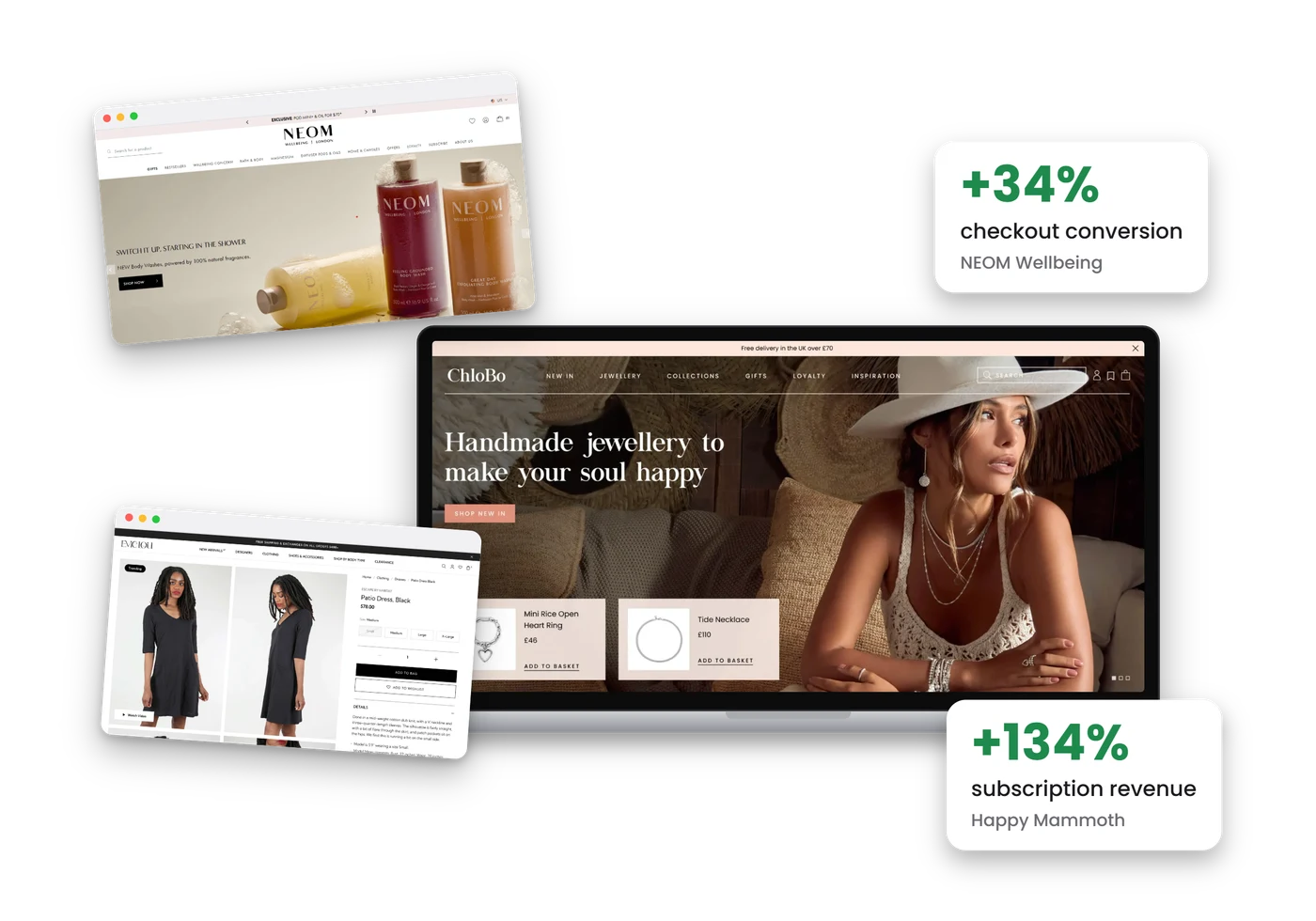
Design and build
We design and build themes that pass their accessibility checks before launch
- Theme development
- Custom development
- Accessibility checks
- Checkout
- Shopify POS

Wellness, womenswear, supplements, jewelry. Brands selling across the state and well beyond it.








You've probably got three or four agencies on a list. Words on a homepage are hard to compare, ours included.
So here's something you can check instead. We opened 26 Shopify stores in this state and ran the same tests on every one. 24 had accessibility errors, and each one carries a $4,000 minimum under state law.
The full results are below, with what we'd fix first.
In short
Ecomm Wizards is a Shopify agency California brands use to design, build, move and grow a store. We work on Shopify and Shopify Plus. We test your theme for accessibility before it goes live.
Probably. These are the six kinds of store we build. Each one changes something real in your build, and each has its own way of going wrong.
Your shades, sizes and sets sit on one product page. Choosing stays easy on a phone, and every swatch has a name a screen reader can say.
What breaks first: Swatches built as unlabeled images, which fail the naming checks and leave shoppers guessing the shade.
Size and fit carry your sale, so the size chart and fit notes live in your product data, not pasted into the theme.
What breaks first: A seasonal redesign that drops the size chart, and returns go up the month after.
Your second order is where the profit is, so the quiz, the subscription and the reorder email are built as one path.
What breaks first: A subscription app bolted on at the end, so the quiz sells a product the checkout can't put on repeat.
Your products are small, so zoom, gallery order and alt text do the selling a shop counter would.
What breaks first: Product images with no alt text, the third most common failure across the 26 stores we tested.
Your shoppers buy by flavor and by the pack, so bundles and mix-and-match boxes are built into the product page, not added at checkout.
What breaks first: A bundle app that splits one box into five cart lines, so shoppers can't tell what they're buying.
Your trade buyers need their own prices, minimum orders and fast reorders. They get them on the same store your shoppers use.
What breaks first: Wholesale prices showing to retail shoppers, because both run through one theme without the right customer tags.
NEOM Wellbeing
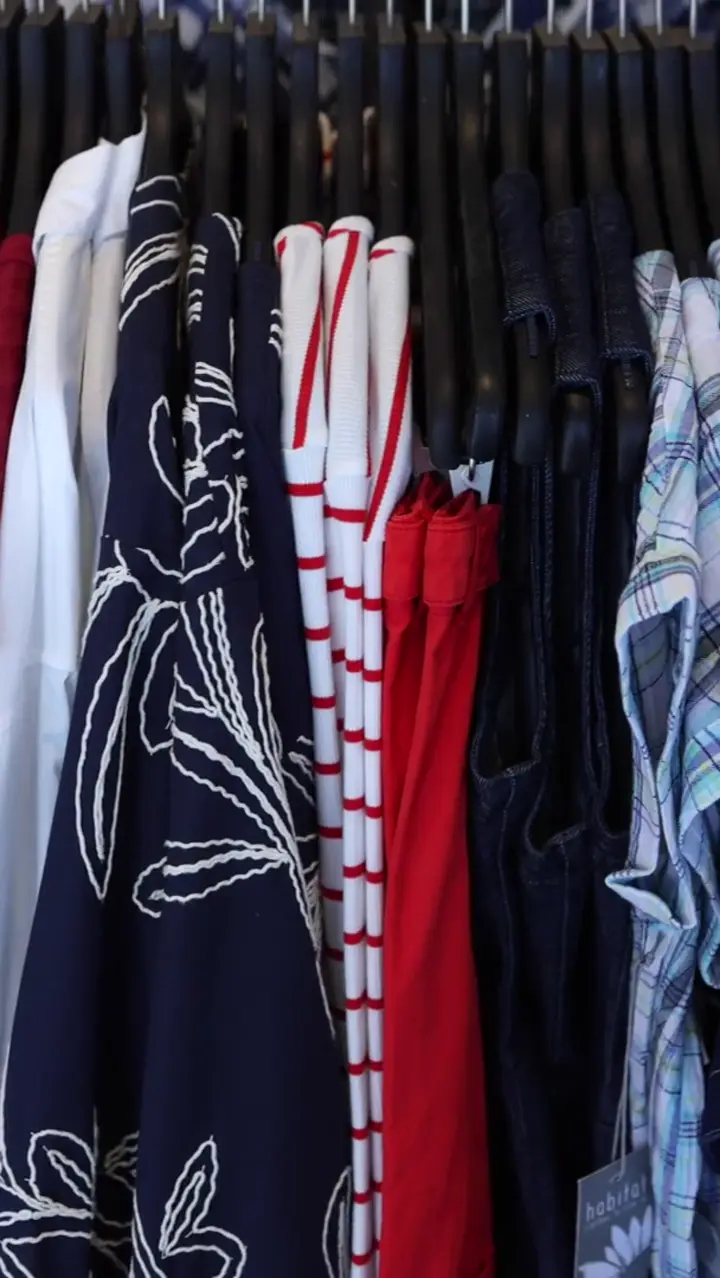
Evie Lou
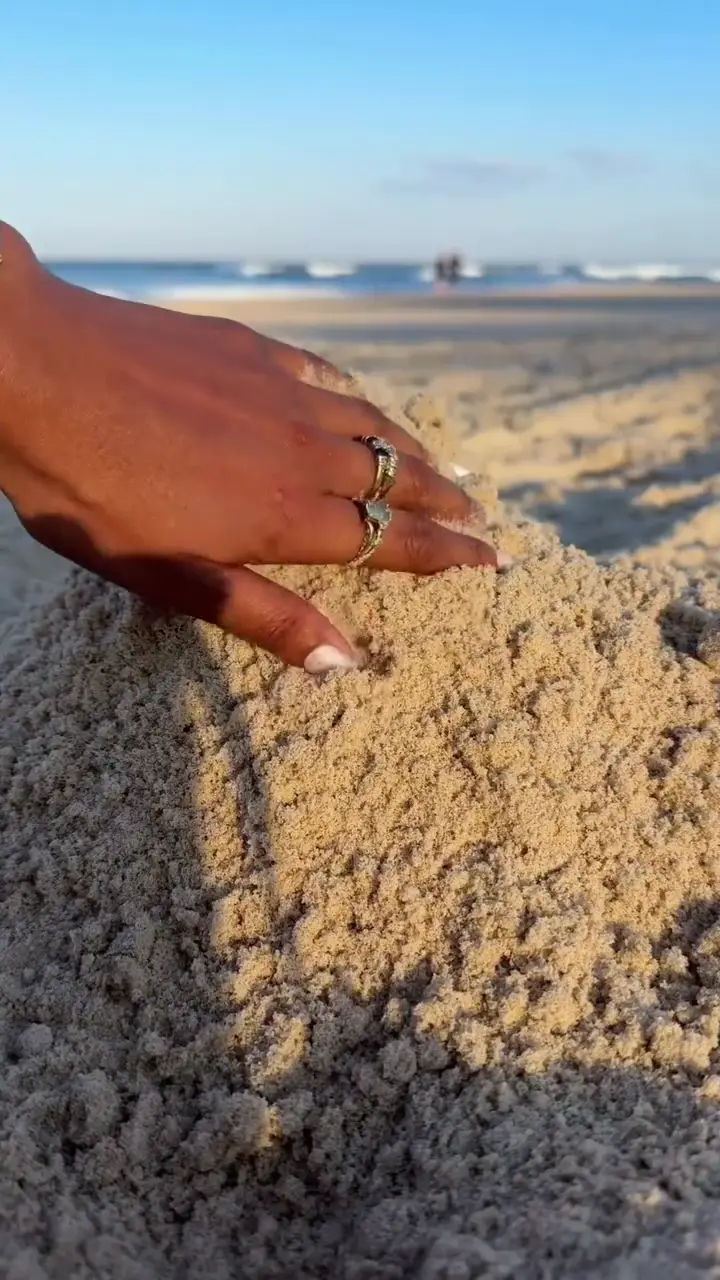
Happy Mammoth
What we do
Take one of these or all four. A Shopify agency California brands hire should let you start with any one of them. Each row below links to the store it was done for.
Design and build
Migration

CRO
Subscriptions and retention
Sell to shoppers in this state and your listed price has to be the whole price. Since 1 July 2024, Civil Code §1770 says it must include every mandatory fee. Government taxes and real shipping can sit outside it. A handling fee can't, so that margin has to come out of the build instead.
Every accessibility error carries a price too. The Unruh Civil Rights Act sets it at no less than $4,000, for each one. In 2025, a third of these lawsuits nationally named a store running Shopify, per EcomBack's 2025 report.
We don't give legal advice, and what applies to you is your counsel's call. The build side is what a Shopify agency California brands trust should answer for. Fees live in how your checkout adds things up. Contrast and labels live in your theme.
Every one of these you can run on your own store. We ran them on 26 California direct-to-consumer brands in September 2026, so you have something to measure against. Brands are counted, not named.
| The check | What we found on 26 stores | What it means for you |
|---|---|---|
| Can shoppers read your text?The most common failure by a distance, and one of the cheapest to put right. | 15 of 26 had text too faint to read | Contrast lives in your theme, not in a plugin |
| Do your links and buttons have names?Usually the icons: cart, search, the social row in your footer. They work with a mouse and vanish without one. | 12 had unnamed links, 4 unnamed buttons | A screen reader announces them as nothing |
| Can your images be described?On a product page that's the part doing the selling. | 8 were missing alt text on images | A shopper who can't see them hears nothing |
| Is a widget doing the work for you?The FTC fined accessiBe $1 million in 2025 over claims its widget could make any site compliant. | 10 ran one, and 9 still had errors | The errors sit in the theme underneath it |
| Does your banner actually stop the tags?Some banners only show to US visitors and our browser sits outside the US, so treat this row as a prompt to check your own. | 20 ran a cookie banner, 15 showed an opt-out | If your pixels fire anyway, the banner is decoration |
| Does your checkout add a fee?Since 1 July 2024 the price you list has to include every mandatory fee except tax and real shipping. | Can't be seen without placing an order | Two minutes to check, and the cheapest thing on this list |
24 of the 26 failed at least one of these, so if your store does too, it's in ordinary company. The useful part is that almost none of it is legal work. It's theme work: contrast, names on links, descriptions on images.
The widget row is the one to act on first, because it's the fix most stores buy and 9 of the 10 running one still had errors underneath. Run these on your own homepage before anyone on your Shopify agency California shortlist starts talking to you about a redesign.
It sits on top of your theme. The code underneath stays as it was, so the errors do too. In our sample, 9 of 10 stores running one still had them.
It doesn't stop lawsuits. In 2025, 983 accessibility lawsuits were filed against websites that had a widget installed, about a quarter of all filings, per EcomBack.
The regulator has said as much. The FTC's 2025 order bars accessiBe from claiming its tool makes any site compliant without evidence to back it.
Rather not run them yourself? Send us your homepage and we'll run all six.
Get in touch with usFour things that hold for a small fix or a full build.
If the checks find errors, you can have just those fixed. If you don't need a redesign, we'll tell you.
Accessibility checks are part of every build we hand over, so your customers don't find the problem first.
Your repository, your theme and your app accounts. Nothing sits with us that you'd have to ask for back.
If it needs to change, you see the change and agree to it before anyone carries on.
Then start with the fixes. The checks are free, and you can have just what they find fixed.
Most of it comes out of the theme, and the rebuild can wait until you're ready.
That happens when a redesign replaces what was working. We test changes before they roll out, and we'll tell you which parts of your store to leave alone.
Any Shopify agency California brands work with should be able to show you that list.
Then don't. Get the list now and fix after your peak.
Contrast and link fixes are usually small, so they fit around your calendar.
Before you pick a Shopify agency California brands vouch for, hear from three more owners. Each number links to its case study, so you can check it.
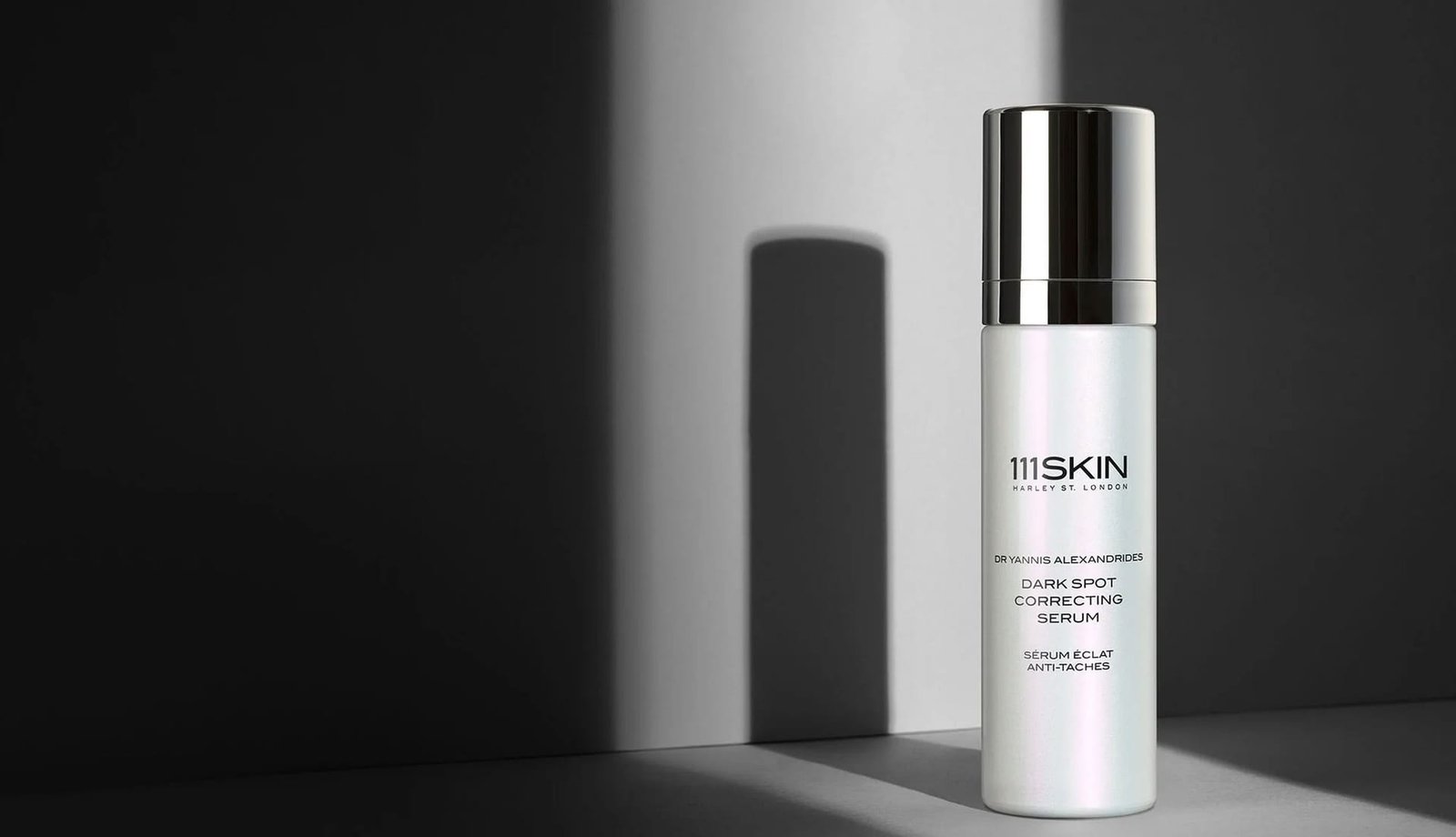
Working with Ecomm Wizards gave us a clear roadmap for growth. The skin finder quiz alone transformed how our customers discover the right products, and the results across conversion rate and revenue speak for themselves.


Our pieces had always been special. The store just was not showing that. Ecomm Wizards gave us a digital experience that finally reflects the craft behind every piece. The configurator changed how customers engage with us entirely.

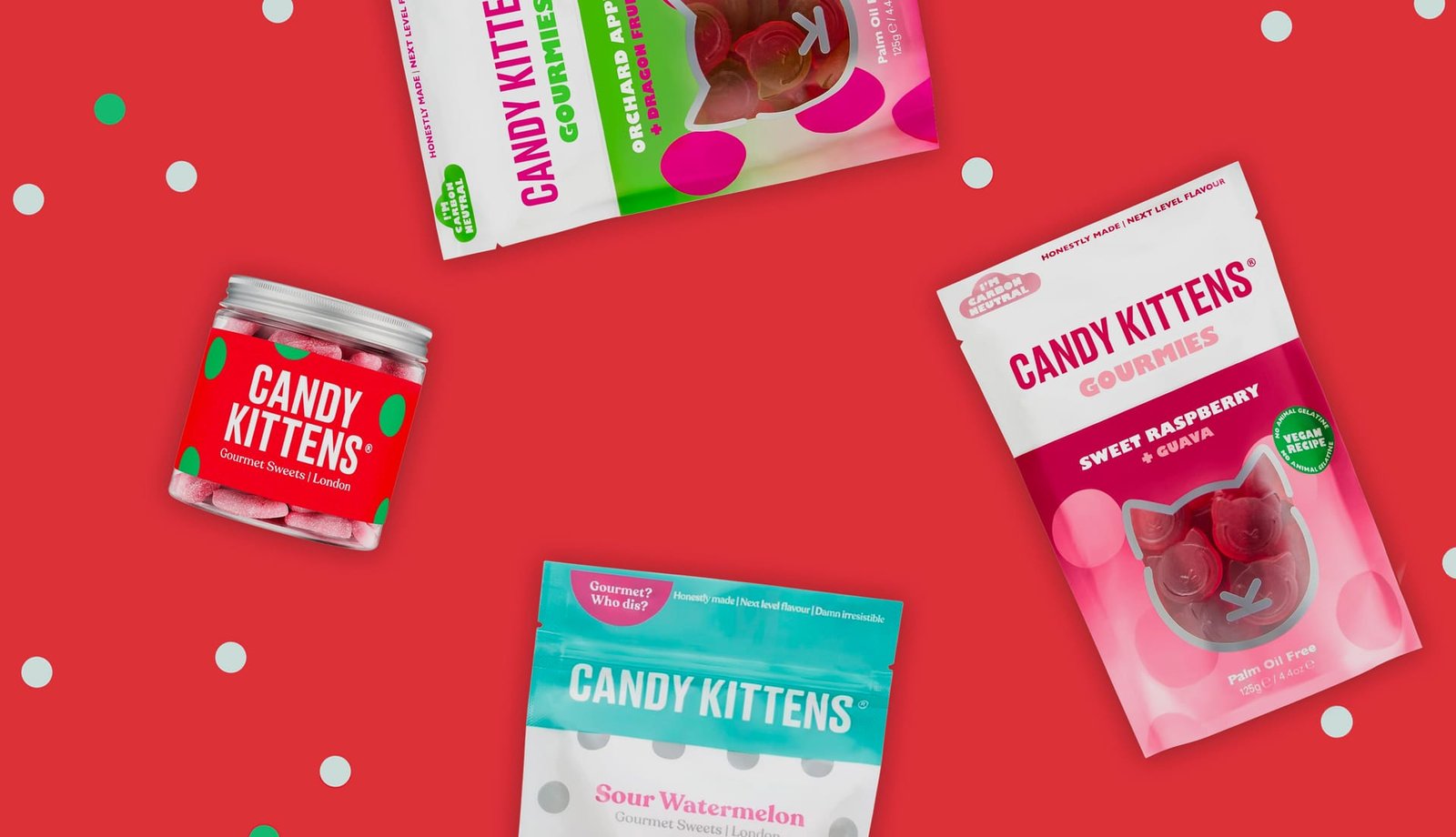
The brand we'd built deserved a store to match it. Ecomm Wizards rebuilt the gifting experience from scratch and gave us the infrastructure to execute seasonal campaigns properly. The Christmas numbers spoke for themselves.
It starts with the six checks, run on your homepage and top product page. You get the list of what fails and where it sits in your theme.
Then you choose. Fix just what failed on the store you have, or fold it into a redesign or a migration. Either way, the scope is agreed in writing before any work starts.
Whoever you hire, ask to see that list before any design. Make it the first question in every Shopify agency California pitch you sit through.
The first step is the list of what your store fails. It's free, and it's yours either way.
Get in touch with usMost stores launch in 6 to 10 weeks, and a simple direct-to-consumer build takes around 6. Fixes from the checks on your store are usually quicker.
It depends on what the checks find. Many fixes happen inside the theme you have, and some stores need a new one. Either way, you see the list and the reasons before you commit.
The list of what your store fails, and where each fix sits in your theme. Then a written scope for the work you choose. Ours starts with the six checks, and they're free.
A remote team can, because none of this work needs a meeting room. We're remote, with no office in the state to visit. What matters is whether your agency tests your store before launch, and accessibility checks are part of every build we hand over.
We have skilled Shopify developers, and they work remotely rather than from the state. Your project runs the same way wherever you are: we scope it, test it, then release it.
No widget can promise that for your store. The FTC fined accessiBe $1 million in 2025 over that exact claim. And EcomBack's 2025 lawsuit report counted 983 lawsuits against sites with a widget installed.
Yes, if your business passes one of the state privacy agency's tests: over $26,625,000 in yearly revenue, or sharing data on 100,000 or more people. Your counsel can confirm it. In your store, it comes down to whether your cookie banner actually stops your pixels.
Not as a separate charge, if you sell to shoppers in the state. Since 1 July 2024 your listed price must include every mandatory fee except tax and real shipping. Build the fee into your product price, and check your case with counsel.
Next step
The same six checks from the table, run on your store.
Put your homepage in the form. We'll run the checks and hand you the findings:
It stops at the findings, and you can take the list to any developer.
No charge, and the report is yours either way.
You'll hear back from a developer within a working day.
